Many small businesses receive more buying questions in chat than through a traditional contact form. A buyer asks whether an item is in stock, sends a screenshot or wants a delivery quote. When these messages live in separate inboxes, staff respond slowly, repeat the same work and struggle to tell which conversations became orders. A focused messaging commerce SaaS can solve that workflow for a specific group of merchants.
The opportunity is operational, not simply technical. The business wins by helping a merchant answer quickly, capture the right information, pass a qualified inquiry to a person and follow through to payment or fulfilment. This article maps a product, service and revenue plan that a small software team can test without building every component from scratch.
Map the buyer journey before choosing features
Start with ten real or representative inquiries from one customer segment. A restaurant, wholesaler and beauty clinic may all use messaging, but they make different decisions. For each inquiry, identify the entry point, the information the buyer needs, what the business must collect, who approves the quote and what counts as a completed result. Draw the smallest workflow that handles the common case and clearly escalates exceptions.
For a retailer, that workflow could be inquiry → product identification → variant and availability → delivery details → confirmed order → human follow-up. For a clinic, it could be inquiry → service information → availability → booking request → staff confirmation. These are different products in practice, even if they share a chat interface.
Compare foundations against the workflow
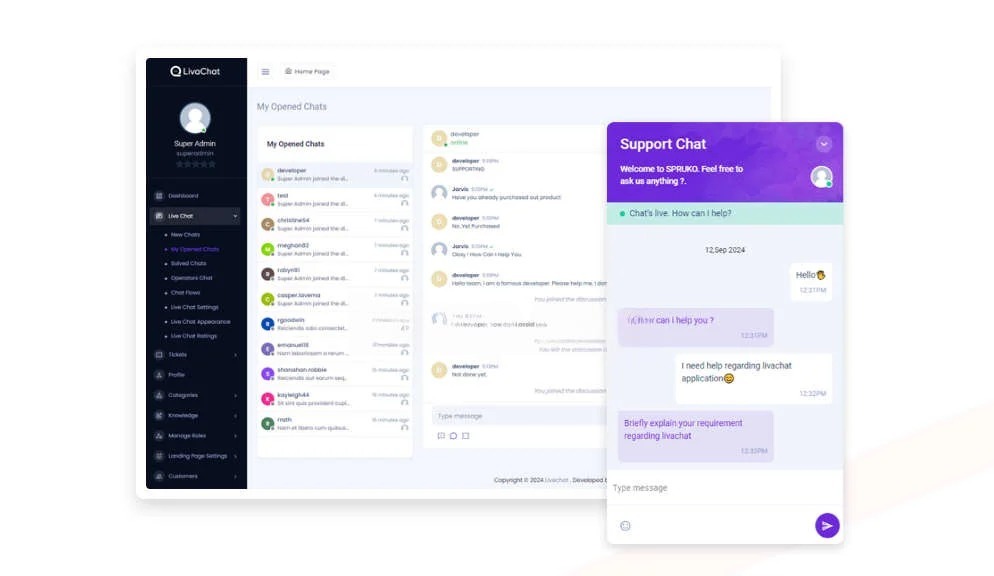
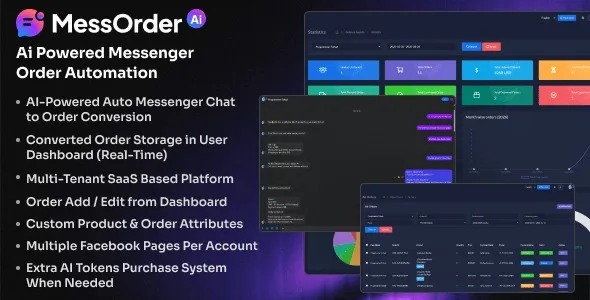
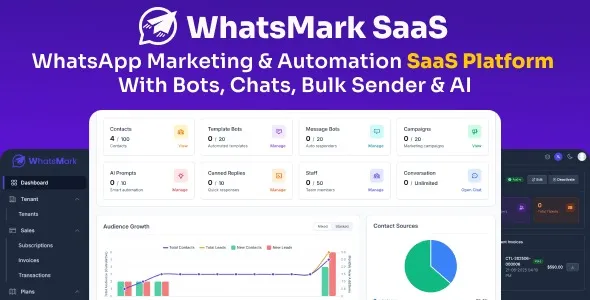
If the main problem is campaign management and repeated customer engagement, review WhatsMarkSaaS as a possible foundation. If the business needs to turn messenger inquiries into stored orders, investigate MessOrder AI. If post-sale questions and ticket ownership matter most, compare the support workflow in LaraChat.
These products represent different starting points; evaluate documentation, platform policy compliance, maintenance needs and integration boundaries before making a purchase. A product page is not proof that a particular merchant workflow works out of the box. Build a short staging demonstration using one realistic customer journey and run it with the people who would actually operate it.
Define the first paid promise
Sell one outcome that the merchant can check. Examples include responding to new inquiries within a defined time window, capturing all required order fields, or assigning every support request to an owner. Avoid promising a sales increase before you have evidence. Instead, agree on a baseline and a pilot measurement method. Measure response time, lead completeness, conversion to a human conversation and completed orders separately.
For the first customers, package onboarding as a service. Map their existing process, configure templates and routing, connect approved channels, train staff and run test scenarios. Charge a one-time implementation fee for this work and a recurring fee for hosting, access, maintenance and agreed support. Usage-based components can follow once you understand actual message volume and third-party costs.
Build safe human handoffs
Automation should recognize its limits. A refund dispute, medical question, complex product specification or unusual delivery request may need a person. Make the handoff visible to staff, preserve the conversation context and tell the customer when they can expect a response. This prevents the common failure mode where a bot keeps repeating an answer while the customer grows frustrated.
Use only messages and customer data you are allowed to process. Document consent, retention and access rules. Platform messaging rules change, so review current provider requirements before deploying outreach or bulk campaigns. These controls protect the merchant's reputation as well as the service provider's business.
Find the first ten customers
Choose one vertical where many inquiries share a pattern. Create a demonstration based on a realistic product or booking flow, then speak with operators rather than only owners. Operators will tell you where information goes missing and which handoffs fail. Offer a small paid pilot with a clear setup scope and a two- to four-week review. A pilot should produce a measurable workflow improvement and an honest decision on whether to continue.
After two or three pilots, document repeatable configuration steps. Turn common requests into templates. A focused implementation checklist lowers setup time and makes the monthly fee sustainable. Publish case studies only with customer permission and explain the context behind any performance numbers.
Watch the unit economics
Recurring revenue is useful only if support and infrastructure remain manageable. Estimate monthly hosting, messaging provider charges, AI requests, payment processing, backups and staff time per merchant. Separate fixed platform costs from usage that grows with message volume. Price plans around meaningful boundaries such as seats, channels, workflows or usage, and explain overage rules clearly.
The strongest messaging SaaS starts as a narrow service with a repeatable result. Software is the foundation; workflow knowledge and reliable delivery are the reasons a merchant keeps paying.